Packing for a Two-Day Visit with Clothes You Already Wear
Packing for a two-day visit is simpler when you start with familiar outfits, choose repeatable pieces and leave room for the clothes you prefer.
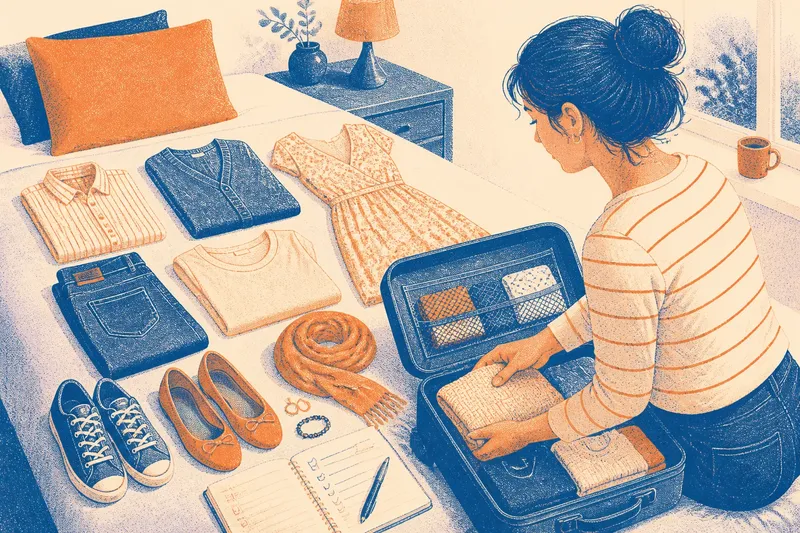
What should you pack for a two-day visit when you want to feel like yourself, not like you are travelling with a miniature wardrobe? Packing for a two-day visit works best when you begin with clothes you already wear, then organise them around the moments you expect to spend away from home. The aim is not to produce the smallest possible bag. It is to carry enough familiar choices that getting dressed feels easy, with a little space for preference and change of plan.
Start with the visit
Before choosing clothes, sketch the visit in plain terms. Note when you will travel, whether you have a meal or activity that calls for a particular outfit, and what you expect to do during the remaining time. A visit with a long train journey and a relaxed family lunch asks for different clothes from a weekend built around walking and an evening gathering, even if both last two days.
Think in occasions rather than calendar boxes. The first travel outfit may also work for a quiet evening; a comfortable top may serve for breakfast and the journey home. This is useful repetition, not a failure to plan. At the same time, do not assume every setting will feel the same. A host’s chilly kitchen, a formal dinner or a change in weather can make one extra layer or a different pair of shoes more useful than another top.
Check the practical details you can know in advance: the expected weather, the likely amount of walking, and whether you will have somewhere to hang or air clothes. If you are staying with someone, a simple question about plans or dress expectations can spare you from packing for an imagined occasion. Keep the answer brief and use it to guide the outfit choices rather than to build a new wardrobe around the visit.
Choose familiar outfits
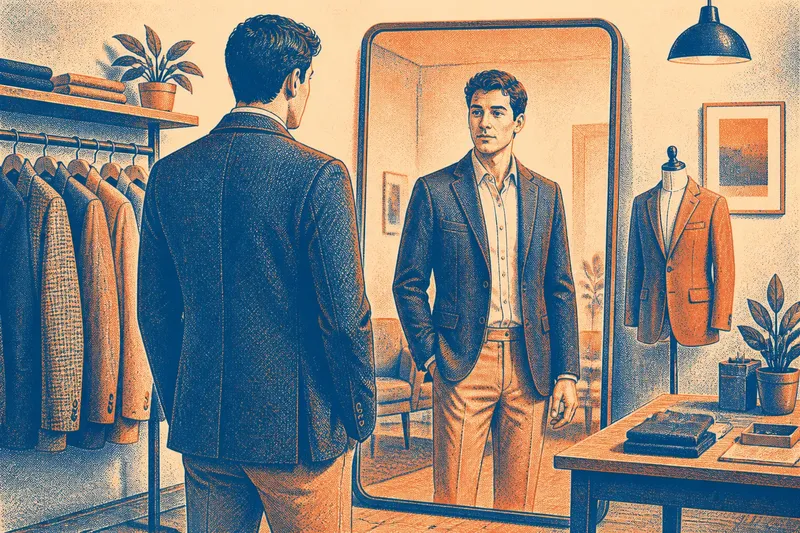
Start with combinations you have worn before and know you can move in. Familiarity matters because a visit is not the best time to discover that a waistband distracts you at dinner or that a new shirt needs constant adjusting. Choose a complete outfit, including shoes and any layer, for the moments that have a distinct purpose. For unstructured time, choose pieces that can overlap with those outfits.
Lay each proposed combination together on a bed or chair. Check whether the top works with the trousers or skirt you plan to bring, whether the shoes suit the expected activity, and whether a layer fits over the outfit without changing its character. If a piece only works with one other item, ask whether that pairing is important enough to earn its place. A favourite dress for a planned meal may be; a special belt that suits nothing else may not be.
Say you are travelling on Friday afternoon, having an informal dinner, spending Saturday at a friend’s home and returning on Sunday after breakfast. You might wear comfortable trousers, a soft shirt and a cardigan for travel, then use the same trousers with a different top for dinner. A relaxed dress could cover Saturday, while the cardigan and a clean top make a familiar combination for the return journey. This invented plan leaves room for a preference: if you dislike wearing the same trousers twice, swap in a skirt you already wear and check that it suits both tops.
Build a small repeatable set
Repeatable pieces are clothes that work in more than one planned combination without making every outfit feel identical. They are not necessarily plain or neutral. A patterned blouse, coloured knit or favourite pair of jeans can be repeatable if it fits the activities and goes with other things you already wear. Choose by your actual wardrobe habits, not by a rule that travel clothes must be black, beige or interchangeable in a particular way.
A compact set might include a bottom that suits the journey and one daytime plan, tops that can be worn with it, a second bottom if you want a distinct change, and a layer suited to the forecast or indoor spaces. Add the shoes that match the planned activities, plus sleepwear and any clothing needed for personal routines. The point is to cover the visit’s real occasions while allowing useful combinations, not to meet a universal item count.
Use a simple pairing check before packing: can each everyday top work with at least one bottom, and can the layer sit comfortably over the outfits that need it? If a piece has no workable partner, either add the partner deliberately or leave the piece at home. This prevents the common nuisance of bringing attractive separates that do not make a wearable outfit once you arrive.
Accessories can change the feel of a familiar combination without taking much space, but choose only those you reach for in ordinary life. A scarf might add warmth and colour to a travel outfit; earrings might make a simple top feel more suited to dinner. There is little benefit in packing several accessories for imagined styling possibilities if you rarely use them. One or two familiar choices are often easier to wear than a collection that needs sorting.
Pack in visit order
Once you have chosen the outfits, place them in the order you expect to need them. Keep the travel clothes separate from the clean clothes for later, and put a special-occasion outfit where it will be easy to reach without unpacking everything. A soft bag or packing cube can group tops, but folding clothes by outfit is just as useful if it makes the plan clear to you.
Set aside sleepwear, underwear, socks and the small items that support your normal dressing routine. These are easy to overlook because they do not form part of a visible outfit. If you use a particular undershirt, tights or comfortable layer regularly, include it rather than assuming you will improvise. For grooming or toiletries, follow the container labels and any travel or accommodation rules that apply; there is no need to duplicate products you know will already be available at your destination.
Before closing the bag, look at the clothes as a set rather than reviewing each item in isolation. Remove anything included only because it might suit an unlikely scenario. Then check whether the remaining clothes give you a comfortable option for each planned part of the visit and at least one way to adjust for a small change, such as cooler weather or a more relaxed evening.
Keep room for preference
A plan should make getting dressed easier, not dictate how you must feel on the day. You may prefer a loose shirt to a fitted top, choose a brighter colour when the weather is grey, or decide that you would rather wear the same comfortable trousers again than try a less familiar alternative. Leave a little physical space in the bag and a little flexibility in the outfit plan so those choices remain possible.
That space can also take care of ordinary uncertainties without encouraging overpacking. A light layer may be more useful than an extra complete outfit if temperatures could shift. If you want a distinct change for a planned dinner, pack that specific outfit rather than several speculative alternatives. Where the right choice depends on care instructions, maker guidance or local travel rules, check those directions once before packing and follow them.
Not worth the effort: trying to create a new capsule wardrobe for a short visit, or changing every accessory to make repeated clothes look like entirely new outfits. A two-day bag does not need a colour theory or a strict matching scheme. It needs clothes that suit the plans and feel recognisably yours.
Questions before leaving?
How many outfits should I pack?
Choose outfits for the distinct activities, then look for pieces that can cover more than one relaxed period. The right number depends on the visit, your comfort and whether you want a fresh change, not on a fixed packing formula.
Should I pack a spare outfit?
A spare can make sense if your plans include messy activity, uncertain weather or a long journey with limited access to your bag. Otherwise, a clean top or an extra layer may be a more useful adjustment than a full second outfit.
What if I do not know the dress code?
Ask the host what the occasion involves, then use clothes from your own wardrobe that feel appropriate and comfortable. If the answer remains unclear, choose a familiar outfit that can be made a little smarter with shoes or a simple accessory you already wear.
How do I stop packing too much?
Give each item a job: name the outfit or occasion it supports, and remove it if it has no clear place. Keep one flexible option for a plausible change of plan rather than packing several alternatives for possibilities you have not been given reason to expect.
For packing for a two-day visit, the most helpful final check is not whether every piece is different; it is whether you can get dressed without having to solve a new styling problem. Familiar combinations, a few repeatable pieces and room to choose according to your mood make the bag useful on arrival as well as on the journey. Put the clothes you will need first within easy reach, and leave the rest of the space for the person you are going to see, not for another outfit you do not expect to wear.